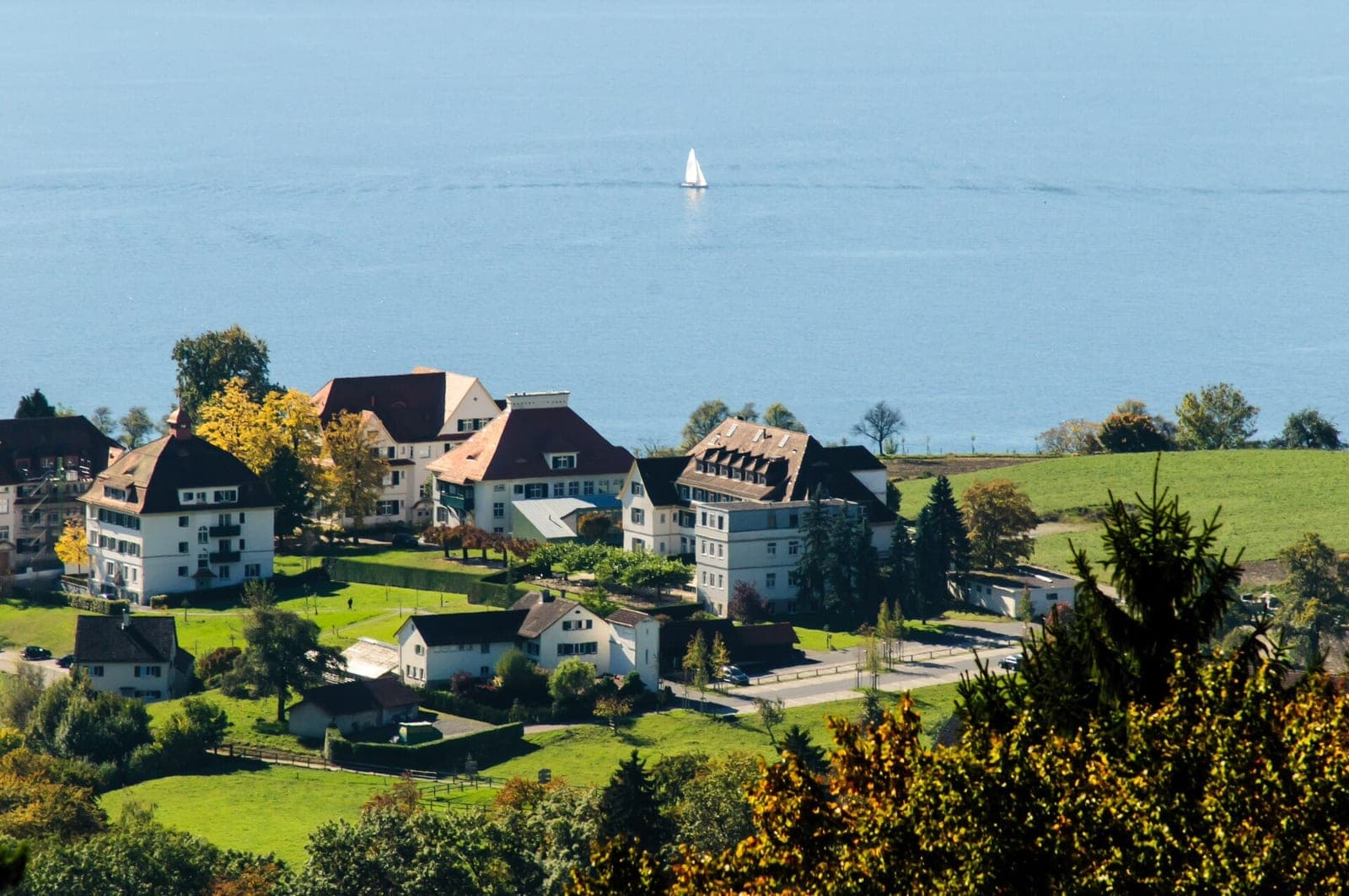
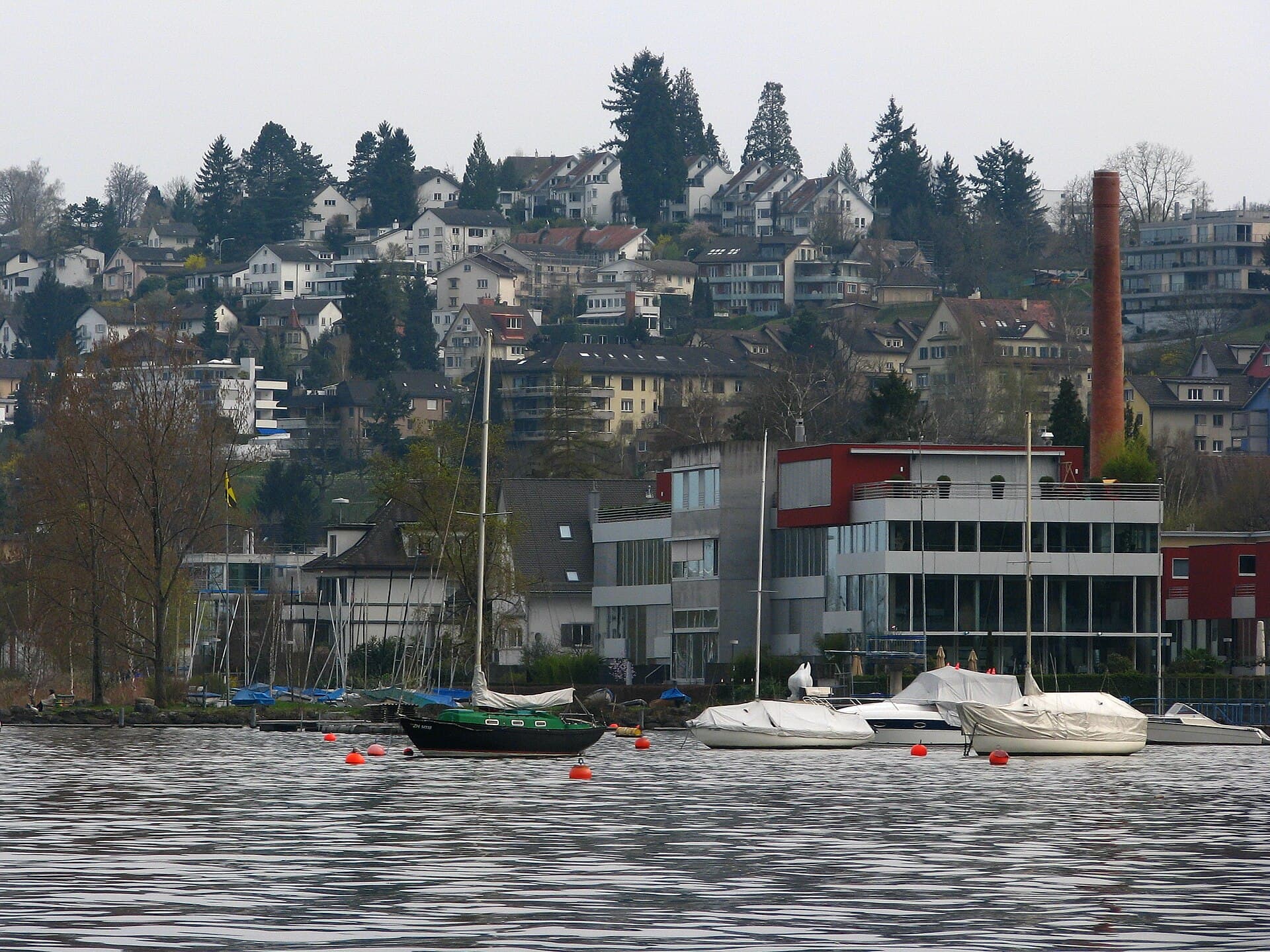
Alcohol rehab in Switzerland is residential treatment for alcohol use disorder in a licensed private clinic, usually for 4 to 8 weeks. Programmes start with medical detox under round-the-clock physician supervision. Intensive psychotherapy, physical restoration and a structured aftercare plan follow.
Alcohol rehab in Switzerland is residential treatment for alcohol use disorder in a licensed Swiss clinic. It starts with medically supervised detox and continues with psychiatrist-led therapy and an aftercare plan.
International clients choose Swiss alcohol rehab for clinical depth, legally protected confidentiality and distance from the places where drinking happens. Formats range from one-client residences on Lake Zurich to specialist alcohol clinics with their own research departments. Not sure whether drinking has become a dependence? Our guide to alcohol addiction signs and the steps to recovery explains what to look for.
Alcohol addiction explained. Alcohol use disorder is a chronic medical condition in which a person cannot control or stop drinking despite harm to health, work or relationships. About half of people with alcohol use disorder who stop or cut down abruptly develop withdrawal symptoms (AFP, 2021). Delirium tremens, the most severe complication of withdrawal, has a mortality rate of 5% to 10% (AFP, 2021). For this reason, detox should always be medically supervised.
Key figures
An estimated 250,000 to 300,000 people in Switzerland are dependent on alcohol (FOPH, 2025).
16.4% of the Swiss population drank alcohol at a level risky for health in 2022 (Obsan, 2022).
Alcohol caused 1,553 deaths among people aged 15 to 74 in Switzerland in 2017 (Obsan, 2017).
Worldwide, 400 million people aged 15 and older lived with alcohol use disorders in 2019 (WHO, 2024).
“There is no form of alcohol consumption that is risk-free.”
Continuing despite health, legal or family problems
Tolerance: needing more alcohol to feel the effect
Who it is for
Executives and professionals whose drinking has become hard to hide
People who need medically supervised detox because of heavy daily drinking
Clients with alcohol use plus depression, anxiety, ADHD or trauma
Anyone who relapsed after outpatient treatment or a previous rehab stay
Families looking for a discreet setting far from home
Best clinics for alcohol rehab in Switzerland
These 9 licensed Swiss clinics run dedicated programmes for alcohol addiction. Formats range from one-client-at-a-time residences to specialist clinical centres. Not sure how to compare them? Read how to choose a rehab clinic.
Treatment methods for alcohol addiction in Swiss clinics
Medically supervised alcohol detox
Physicians use medication protocols, vitamin and fluid replacement and round-the-clock monitoring. Benzodiazepines are the first-line medication for moderate alcohol withdrawal (AFP, 2021).
Cognitive behavioural therapy (CBT)
CBT identifies the thoughts, emotions and situations that lead to drinking and builds practical alternatives. NICE advises 12 weekly 60-minute CBT sessions focused on alcohol (NICE, 2011).
Motivational interviewing
Motivational interviewing strengthens the client's own reasons for change. It may reduce substance use compared with no intervention, with little difference compared with other active treatments (Cochrane, 2023).
Anti-craving medication
Physicians may prescribe medication that supports abstinence in the first months. Across 122 trials, 12 people needed acamprosate and 20 needed oral naltrexone to prevent one return to any drinking (JAMA, 2014).
Trauma therapy and family systems work
EMDR and family therapy address underlying drivers. They also help rebuild relationships affected by drinking.
How alcohol rehab in Switzerland works, step by step
01
Confidential assessment
A psychiatrist and an addiction physician review medical history, patterns of use, co-occurring conditions and personal goals. This usually happens by video call before arrival.
02
Medical stabilisation
Physicians manage withdrawal around the clock, with medication to prevent seizures and delirium and nutrient therapy to restore depleted vitamins. Symptoms begin 6 to 24 hours after the last drink, and delirium tremens can appear at 48 to 72 hours (AFP, 2021).
03
Intensive therapy
Daily individual psychotherapy, such as CBT, DBT or trauma-focused therapy, is combined with medical, nutritional and physical restoration tailored to the client.
04
Family and system work
Partners, family members or business stakeholders are involved to rebuild trust and prepare the environment the client returns to.
05
Aftercare and relapse prevention
The client leaves with a written relapse-prevention plan and remote therapy sessions. NIDA advises that people stay in outpatient or aftercare programmes after residential treatment to reduce the risk of relapse (NIDA, 2018).
How long does alcohol rehab in Switzerland take, and what does it cost?
Duration. Most private alcohol rehab programmes in Switzerland last 4 to 8 weeks, according to the clinics' own programme information (see Clinic Les Alpes and Sanatorium Kilchberg). Forel Klinik offers stays from two weeks to several months. NIDA reports that most people need at least 3 months of treatment in total to reduce or stop use significantly (NIDA, 2018). Whether to start with detox, rehab or a psychiatric clinic is decided at the medical assessment. Our guide to the first 72 hours at a Swiss rehab clinic explains how admission and detox unfold.
Cost. Clinic Les Alpes publishes a starting price of CHF 60,000 per week (Clinic Les Alpes, 2026). Paracelsus Recovery publishes CHF 110,000 per week (Paracelsus Recovery, 2026). Private psychiatric clinics generally cost considerably less. Swiss compulsory health insurance covers inpatient treatment at general-ward standard in hospitals on a cantonal hospital list (Fedlex: KVG).
Luxury alcohol rehab in Switzerland is delivered one client at a time. It includes a private residence or villa, a personal chef, a dedicated team and full control over who knows about the stay. CALDA Clinic, for example, works with a team of up to 18 doctors, psychologists and therapists per client. Paracelsus Recovery, The Kusnacht Practice and CALDA Clinic on Lake Zurich are the reference addresses for this format. Compare all options in our overview of luxury rehab in Switzerland.
Why choose Switzerland for alcohol addiction treatment?
Leading Swiss clinics are psychiatrist-led rather than run by lay counsellors. Doctors who practise under their own professional responsibility in Switzerland need a licence from the canton where they work (Fedlex: Medical Professions Act). Doctors, psychologists, nurses and their auxiliaries who disclose a patient's secret can face up to three years' custody or a monetary penalty (Fedlex: Swiss Criminal Code Art. 321). Clients also gain real distance from their daily triggers.
Aftercare
The months after rehab carry the highest relapse risk. Relapse rates for substance use disorders are estimated at 40 to 60 percent, similar to other chronic illnesses (NIDA, 2020). Leading Swiss clinics provide a written relapse-prevention plan, remote therapy and medication follow-up. One-client programmes can add a counsellor or sober companion who travels home with the client.
Published prices for luxury programmes start at CHF 60,000 per week at Clinic Les Alpes and CHF 110,000 per week at Paracelsus Recovery. Private psychiatric clinics generally cost considerably less, and compulsory Swiss health insurance covers listed hospitals at general-ward standard.
Is alcohol detox in a Swiss clinic safe?
Detox in licensed Swiss clinics is supervised by physicians around the clock. Medication protocols are used to prevent seizures and delirium tremens, the most dangerous complications of withdrawal.
How long does alcohol rehab in Switzerland take?
Residential programmes at the clinics we list typically run 4 to 8 weeks, followed by structured aftercare. Complex cases or dual diagnosis may need longer.
What is the best alcohol rehab in Switzerland?
It depends on the need. For maximum privacy, one-client clinics such as Paracelsus Recovery or The Kusnacht Practice. For a small community above Lake Geneva, Clinic Les Alpes. For a structured Minnesota-model programme, Clinique La Métairie. For clinical depth at a lower cost, Forel Klinik or Sanatorium Kilchberg.
Will anyone know I was in rehab?
Swiss criminal law punishes doctors, psychologists and nurses who disclose a patient's secret. Many clinics add NDAs, private residences and discreet transfers.
Does insurance cover alcohol rehab in Switzerland?
Some international health plans cover part of the treatment in a psychiatric clinic. Luxury one-client programmes are usually self-paid. We can check your policy for free.