
Skip to content
Switzerland Recovery
Morning sun on a forest trail in the Swiss Alps
7 Swiss clinics · reviewed September 2026

Cocaine rehab in Switzerland

Cocaine rehab in Switzerland is residential treatment for cocaine and stimulant use disorder in a licensed private clinic. Cocaine is rarely used alone. Swiss programmes therefore treat the whole pattern: cocaine, alcohol, sleep medication and the stress or depression behind the cycle.

Clinics
7 Swiss clinics
Typical stay
4 to 8 weeks
Regions
Zurich, Lake Geneva, Bern
Format
One-client and clinic-based

What is cocaine rehab in Switzerland?

Cocaine rehab in Switzerland is residential treatment for cocaine and stimulant use disorder in a licensed private clinic. Swiss programmes treat cocaine together with the alcohol use, burnout and anxiety that often accompany it.

Many clients are functional users: founders, bankers, lawyers, creatives and public figures who kept their careers going while use escalated. Swiss specialist services report a rise in people with severe cocaine dependence who need intensive medical and psychosocial support (FOPH, 2026). Private clinics offer this group discretion, individual programmes and, where clinically appropriate, limited supervised contact with work.

Cocaine addiction explained. Cocaine use disorder is a stimulant addiction marked by compulsive use, intense cravings and escalating binges. Physical withdrawal is milder than with alcohol. The psychological crash, with depression, anxiety, exhaustion and insomnia, drives rapid relapse without structured treatment. For the signs and a step by step recovery path, read our guide on recognising cocaine addiction and what recovery involves.

Key figures

  • About 6.2% of the Swiss population report having used cocaine at least once, and about 1% in the last 12 months (FOPH, 2026).
  • In 2025 testing, daily cocaine metabolite loads in wastewater were about 1,077 mg per 1,000 people in Geneva and 1,055 in Zurich, close to Amsterdam at 1,172 (EUDA, 2025).
  • Cocaine was involved in 27% of drug-induced deaths in Europe in 2024 (EUDA, 2026).
  • Cocaine accounted for 25% of all first-time entrants to specialist drug treatment in the EU in 2024 (EUDA, 2026).

“As cocaine use can aggravate cardiovascular problems, its role in mortality in Europe is underestimated.”

European Union Drugs Agency (EUDA), European Drug Report 2026: Cocaine

Common signs

  • Frequent nosebleeds or nasal problems
  • Binges followed by days of crash
  • Financial secrecy or unexplained cash withdrawals
  • Combining cocaine with alcohol
  • Paranoia, agitation or insomnia
  • Declining performance after periods of hyper-productivity

Who it is for

  • Professionals with weekend or work-related cocaine use that is escalating
  • People who combine cocaine with heavy drinking
  • Clients with burnout, anxiety or depression behind their use
  • Anyone who needs complete anonymity during treatment

Best clinics for cocaine rehab in Switzerland

These 7 licensed Swiss clinics run dedicated programmes for cocaine addiction. Formats range from one-client-at-a-time residences to specialist clinical centres. Not sure how to compare them? Read how to choose a rehab clinic.
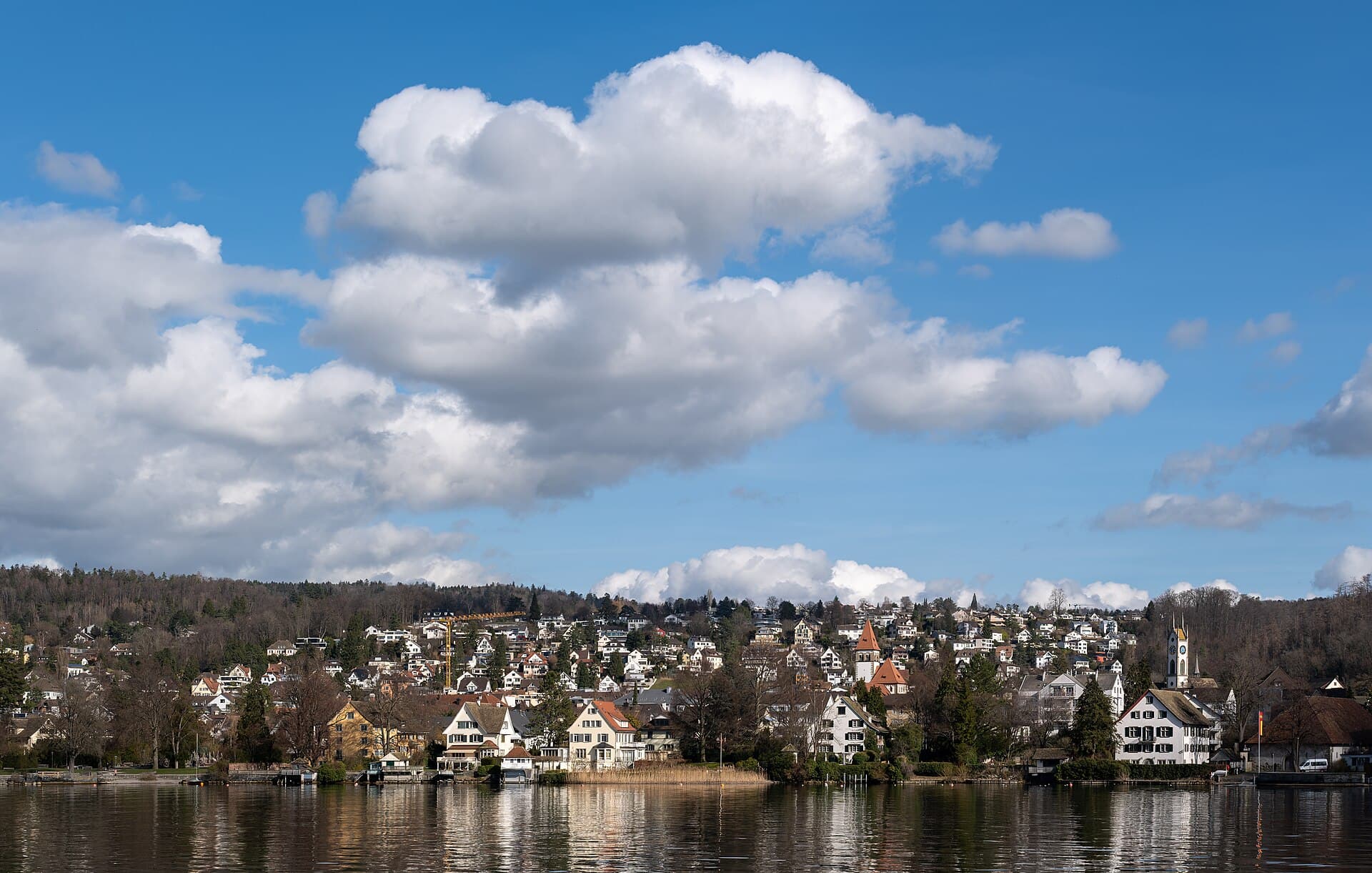
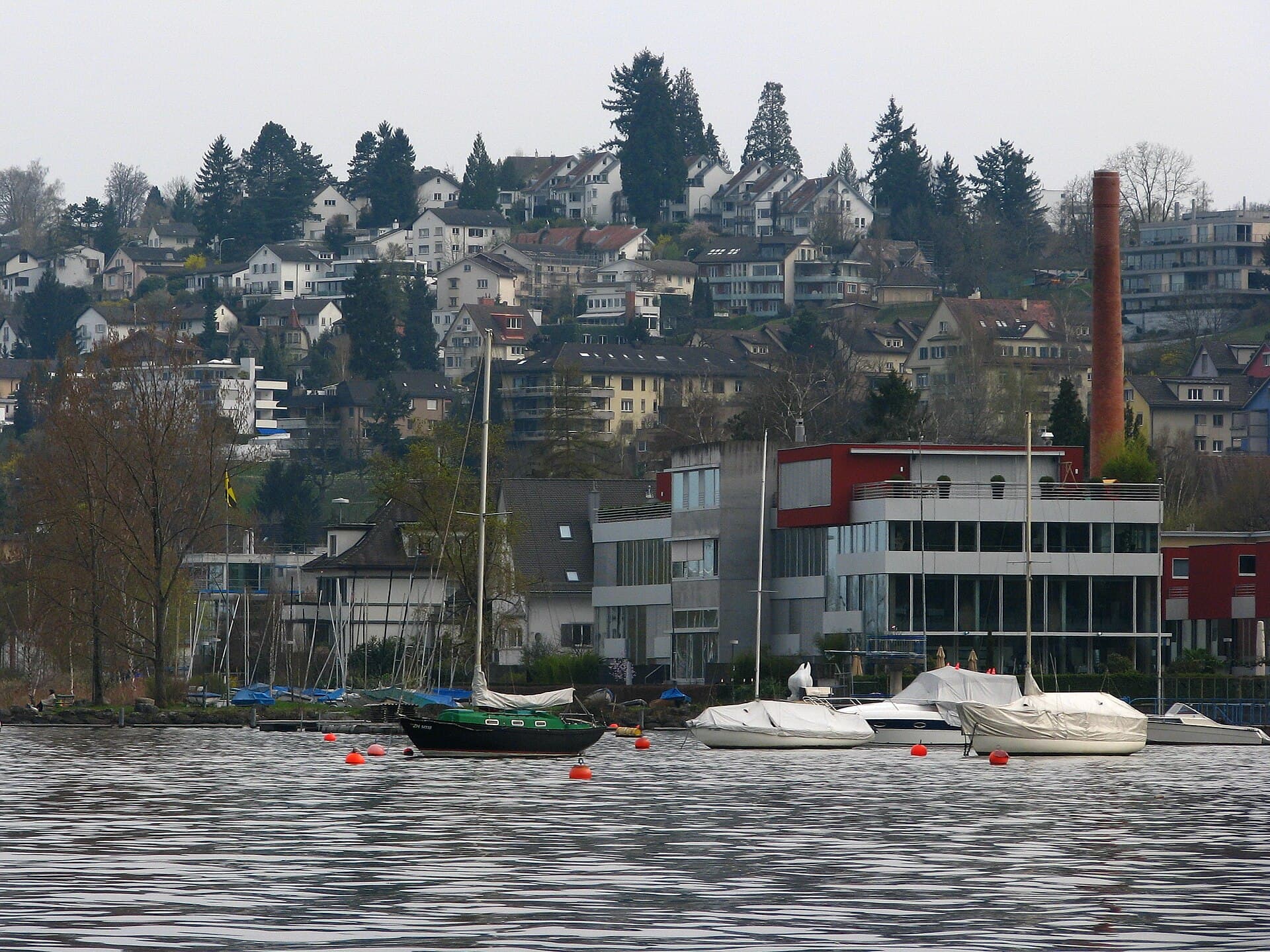
Küsnacht on the shore of Lake Zurich, near Paracelsus Recovery
Ultra-luxury One client at a time

Zurich, Zurich

Paracelsus Recovery

Paracelsus Recovery is a licensed private clinic in Zurich that treats one client at a time for addiction and mental health conditions, with a live-in therapist and a dedicated team.

AlcoholCocaineOpioids+7
View clinic profile
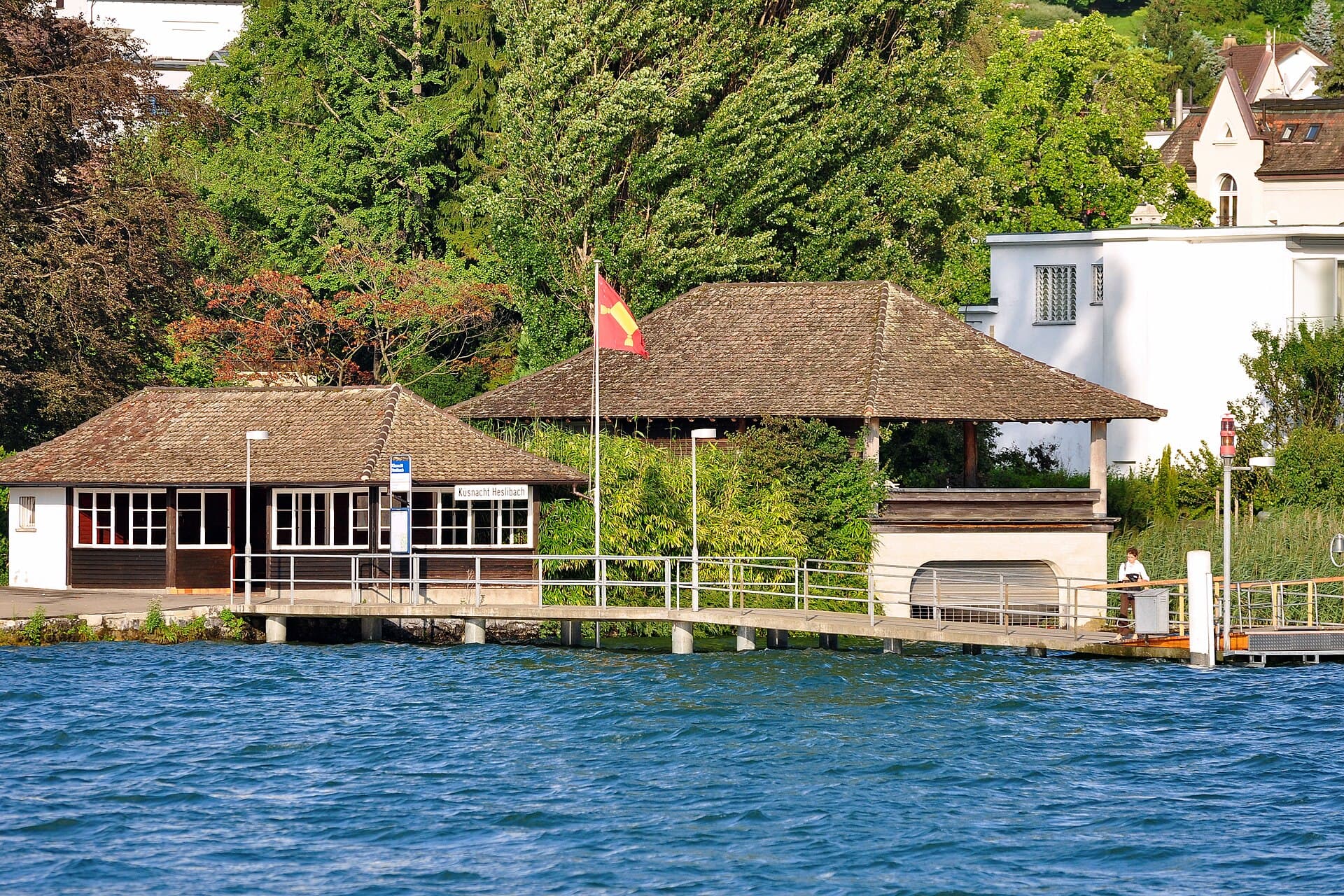
Boat pavilion at Küsnacht-Heslibach on Lake Zurich, near The Kusnacht Practice
Ultra-luxury One client at a time

Zollikon, Zurich

The Kusnacht Practice

The Kusnacht Practice is a private treatment centre on Lake Zurich for addiction, mental health and longevity medicine, treating each client in one of ten private villas.

AlcoholCocaineOpioids+4
View clinic profile
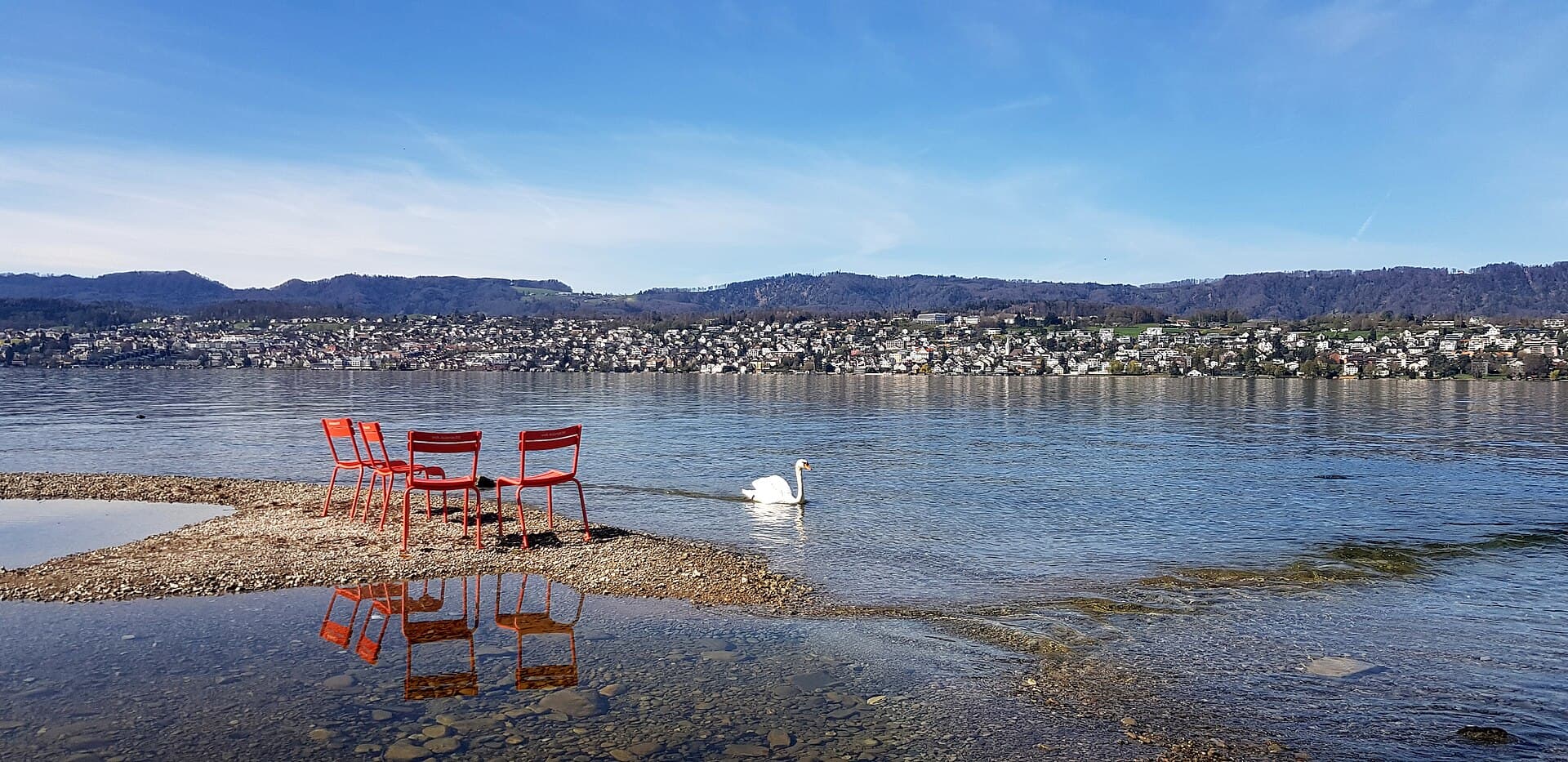
Swan on Lake Zurich at Küsnacht, near CALDA Clinic
Ultra-luxury One client at a time

Zurich, Zurich

CALDA Clinic

CALDA Clinic is a single-client residential clinic above the eastern shore of Lake Zurich, founded by psychiatrist Claudia M. Elsig, with psychiatrist-led care in a private residence.

AlcoholCocaineOpioids+5
View clinic profile
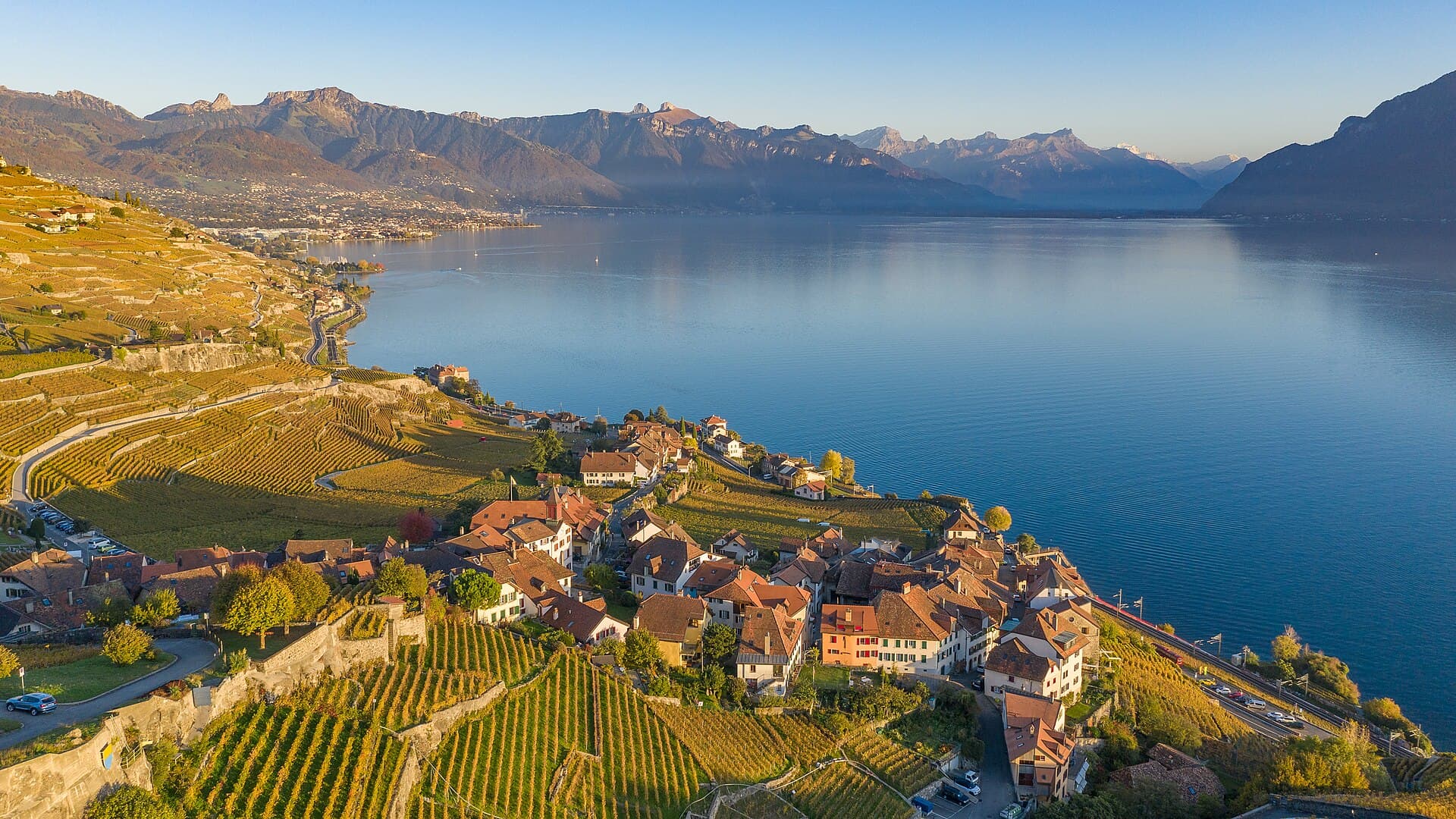
Lavaux vineyards above Lake Geneva, near Clinic Les Alpes
Ultra-luxury

Les Avants (Montreux), Vaud

Clinic Les Alpes

Clinic Les Alpes is a medically licensed addiction and mental health clinic in the mountains above Montreux, with views over Lake Geneva and a mind, body and spirit treatment model.

AlcoholCocaineOpioids+7
View clinic profile
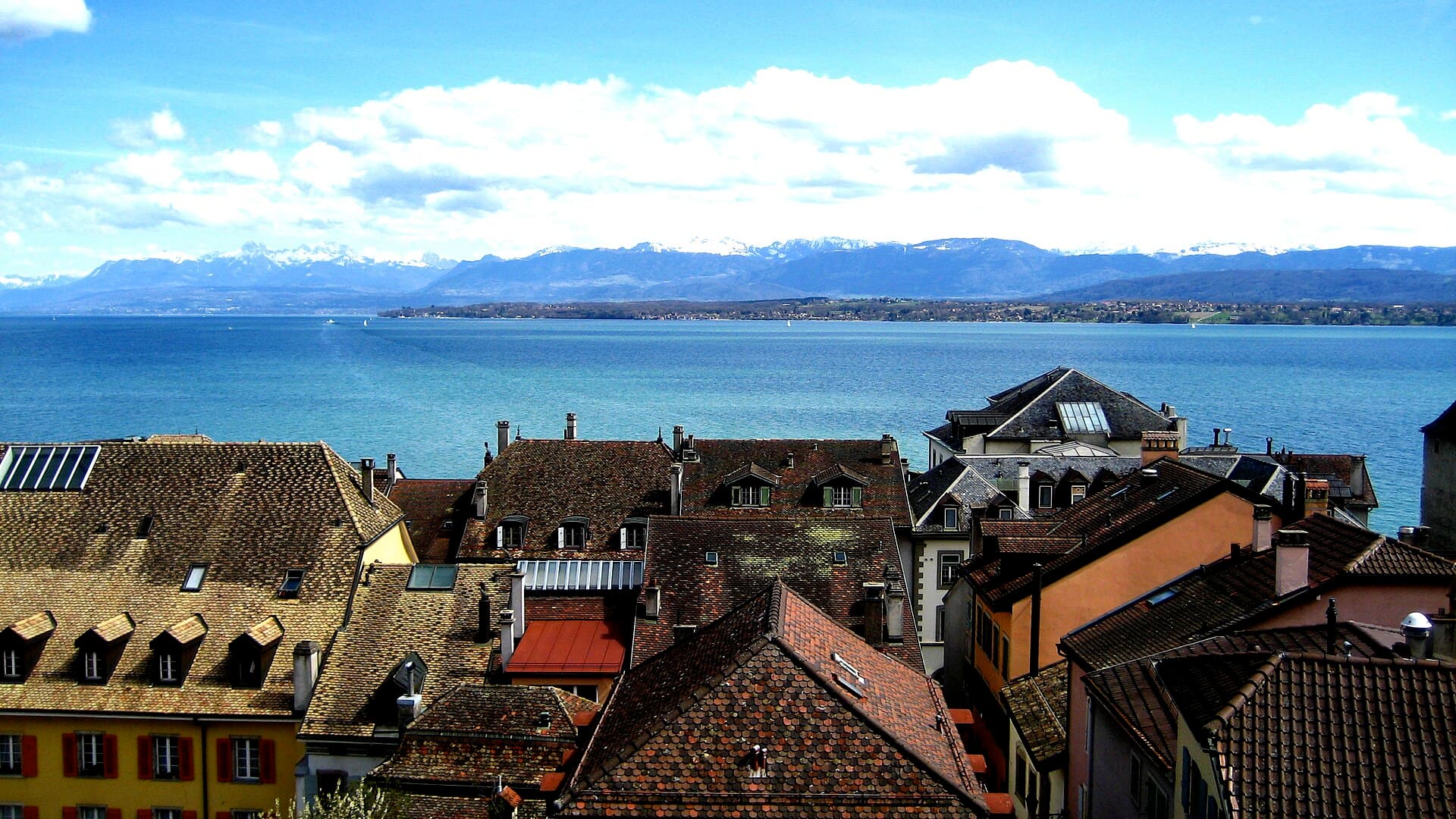
Rooftops of Nyon above Lake Geneva with the Alps, near Clinique La Métairie
Premium private

Nyon, Vaud

Clinique La Métairie

Clinique La Métairie is a private psychiatric clinic in Nyon on Lake Geneva, open since 1860, with a 28-day addiction programme based on the Minnesota model and 11 months of follow-up.

AlcoholCocaineOpioids+5
View clinic profile
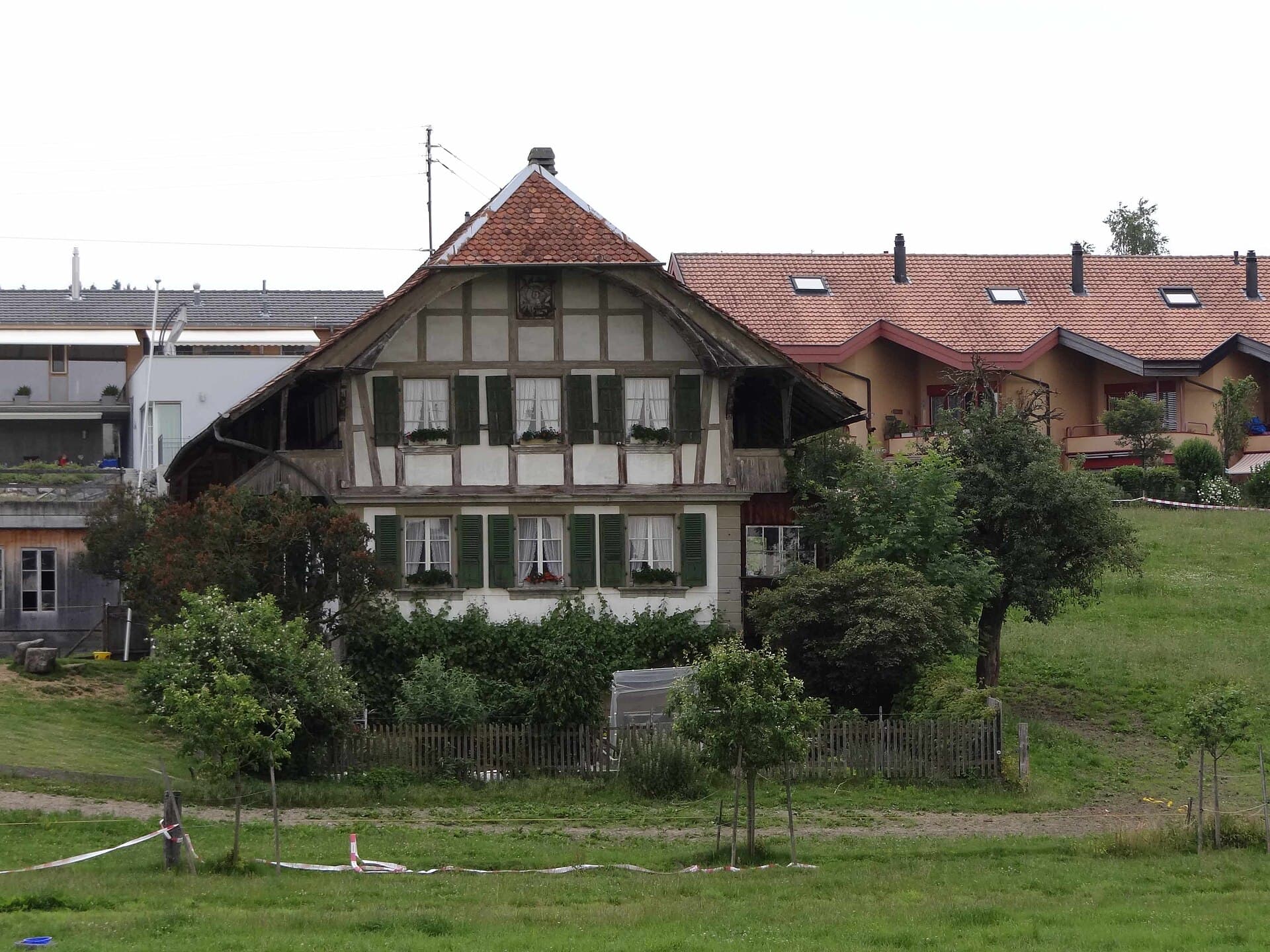
Traditional house in Kirchlindach near Bern, near Klinik Südhang
Clinical specialist

Kirchlindach, Bern

Klinik Südhang

Klinik Südhang is a foundation-run specialist addiction clinic near Bern that treats people through its own 'Mensch und Sucht' model in inpatient, day and outpatient settings.

AlcoholCocaineOpioids+2
View clinic profile
Lake Zurich shore at Kilchberg, near Sanatorium Kilchberg
Premium private

Kilchberg, Zurich

Sanatorium Kilchberg

Sanatorium Kilchberg is a private psychiatric hospital on Lake Zurich with more than 150 years of history, specialised in withdrawal from all substances, with three premium private wards.

AlcoholPrescription drugsCocaine+4
View clinic profile

Cocaine rehab clinics in Switzerland compared

ClinicRegionFormatTypical stayReported price
Paracelsus RecoveryZurich & Lake ZurichOne client at a time4 weeks minimum for the residential programme; most stays run 4 to 8 weeksapprox. CHF 110,000 / week
The Kusnacht PracticeZurich & Lake ZurichOne client at a time1 to 7 days of diagnostics, then 6 to 12 weeks of treatmentapprox. CHF 117,300 / week
CALDA ClinicZurich & Lake ZurichOne client at a timeIndividual, set after the initial diagnostics; usually several weeksapprox. CHF 116,000 / week
Clinic Les AlpesLake Geneva & MontreuxUltra-luxuryUsually 14 to 28 days; can be extended up to 90 daysapprox. CHF 60,000 / week
Clinique La MétairieLake Geneva & MontreuxPremium private28 days residential + 11 months follow-upOn request
Klinik SüdhangBern & Bernese OberlandClinical specialistIndividual; inpatient, day clinic or outpatientOn request
Sanatorium KilchbergZurich & Lake ZurichPremium privateTypically 4 to 8 weeksOn request

Treatment methods for cocaine addiction in Swiss clinics

Medical and psychiatric stabilisation

Physicians treat sleep disturbance, low mood and cardiac strain in the first days after stopping.

Cognitive behavioural therapy (CBT)

CBT targets the triggers and routines that lead to use, including work stress and social settings. Added to usual care, CBT for substance use disorders showed significant effects on consumption (g = 0.44) (Behaviour Research and Therapy, 2026).

Contingency and craving management

Structured techniques help the client ride out cravings and rebuild daily reward without the drug.

Stress, burnout and performance coaching

Coaching addresses the work patterns that made stimulants feel necessary in the first place.

Nutrition, sleep and exercise

Physical restoration supports the recovery of mood and energy after long-term stimulant use.

How cocaine rehab in Switzerland works, step by step

  1. 01

    Confidential assessment

    A psychiatrist and an addiction physician review medical history, patterns of use, co-occurring conditions and personal goals. This usually happens by video call before arrival.

  2. 02

    Medical stabilisation

    Stabilisation focuses on sleep, mood and nutrition. Clinicians monitor for depression and cardiac strain. Co-occurring alcohol withdrawal is managed medically where present.

  3. 03

    Intensive therapy

    Daily individual psychotherapy, such as CBT, DBT or trauma-focused therapy, is combined with medical, nutritional and physical restoration tailored to the client.

  4. 04

    Family and system work

    Partners, family members or business stakeholders are involved to rebuild trust and prepare the environment the client returns to.

  5. 05

    Aftercare and relapse prevention

    The client leaves with a written relapse-prevention plan and remote therapy sessions. NIDA advises that people stay in outpatient or aftercare programmes after residential treatment to reduce the risk of relapse (NIDA, 2018).

How long does cocaine rehab in Switzerland take, and what does it cost?

Duration. Residential cocaine programmes at the clinics we list typically run 4 to 8 weeks, according to the clinics' own programme information (see Clinic Les Alpes and Sanatorium Kilchberg). Stays are often longer when alcohol or another substance is also involved.

Cost. Costs are comparable to alcohol programmes. Published prices range from CHF 60,000 per week at Clinic Les Alpes to about CHF 117,300 per week at The Kusnacht Practice, as listed on Recovery.com. Swiss compulsory health insurance covers inpatient treatment at general-ward standard in hospitals on a cantonal hospital list (Fedlex: KVG).

Full breakdown in our guide to rehab costs in Switzerland.

Luxury cocaine rehab in Switzerland

Luxury cocaine rehab in Switzerland is usually delivered one client at a time on Lake Zurich. It includes a private residence, a chauffeur, a personal trainer and a team that can manage discreet communication with family or business partners. Our guides explain how luxury rehab differs from standard rehab and how confidentiality in Swiss rehab works. Compare all options in our overview of luxury rehab in Switzerland.

Why choose Switzerland for cocaine addiction treatment?

Several leading Swiss rehab clinics hold psychiatric licences. This allows them to treat the depression, ADHD or anxiety that often sits underneath cocaine use. Doctors, psychologists, nurses and their auxiliaries who disclose a patient's secret can face up to three years' custody or a monetary penalty (Fedlex: Swiss Criminal Code Art. 321).

Aftercare

Relapse prevention focuses on the first weeks back at work and in social settings. Relapse rates for substance use disorders are estimated at 40 to 60 percent, similar to other chronic illnesses (NIDA, 2020). Swiss clinics provide remote therapy, accountability structures and, on request, a sober companion.

Related guides

FAQ: cocaine rehab in Switzerland

How much does cocaine rehab in Switzerland cost?

Published prices for luxury programmes range from CHF 60,000 per week at Clinic Les Alpes to about CHF 117,300 per week at The Kusnacht Practice, as listed on Recovery.com. Private psychiatric clinics generally cost considerably less.

Can I keep working during cocaine rehab?

Some one-client clinics allow limited, supervised business contact when it supports recovery. This is agreed with the treatment team.

Is cocaine withdrawal dangerous?

It is rarely physically dangerous on its own. The depressive crash and cravings are serious, and combined alcohol dependence requires medical detox.

Do Swiss clinics treat cocaine and alcohol together?

Yes. Combined use is common, and every clinic we list with a cocaine programme also treats alcohol addiction.

How long is cocaine rehab?

Residential programmes at the clinics we list typically run 4 to 8 weeks, followed by several months of structured aftercare.

Morning light over Lake Lucerne

Get help with cocaine addiction today

Tell us about the situation. A placement advisor replies within 24 hours with a confidential shortlist, availability and pricing, free of charge.

Get a free assessment

100% confidential · No obligation · Reply within 24h